
Home
Grease Interceptor Cleaning
Grease Interceptor Cleaning Services in Los Angeles
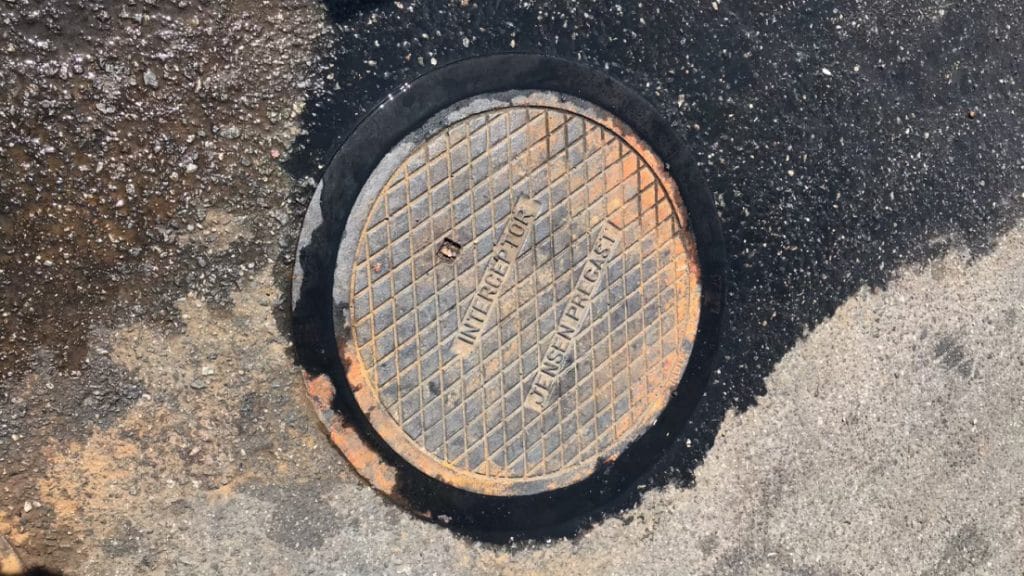
Searching for Grease Interceptor Cleaning Near Me?
Grease Interceptor Cleaning Service for High Volume Kitchens in Los Angeles County
Grease interceptor cleaning plays a major role in how large commercial kitchens operate across Los Angeles County, especially in high-activity areas like Downtown Los Angeles, Hollywood, Santa Monica, and Long Beach. In these highly populated areas, restaurants, hotels, and large food service facilities run for extended hours, often handling heavy commercial kitchen output throughout the day, pushing significant volumes of wastewater through its underground grease interceptors. These large grease filtering systems sit out of sight, but carry the dirty load for the entire facility, handling discharge from multiple prep stations, dish lines, and cooking areas.
With that level of daily usage, grease, food waste, and solids begin to settle inside the interceptor, gradually taking up space and reducing its working capacity. In a busy cooking zone where they operate at full pace during peak hours, even a slight failure in the wastewater discharge system can affect the entire business. This is why routine grease interceptor services are important. A comprehensive grease interceptor cleaning service typically includes full grease interceptor pumping to remove accumulated waste, inspection of internal components, and targeted solutions such as grease interceptor baffle repair to restore performance. In some cases, repairs alone may not be enough, and a complete grease interceptor installation or system modification may be required to maintain reliable performance.
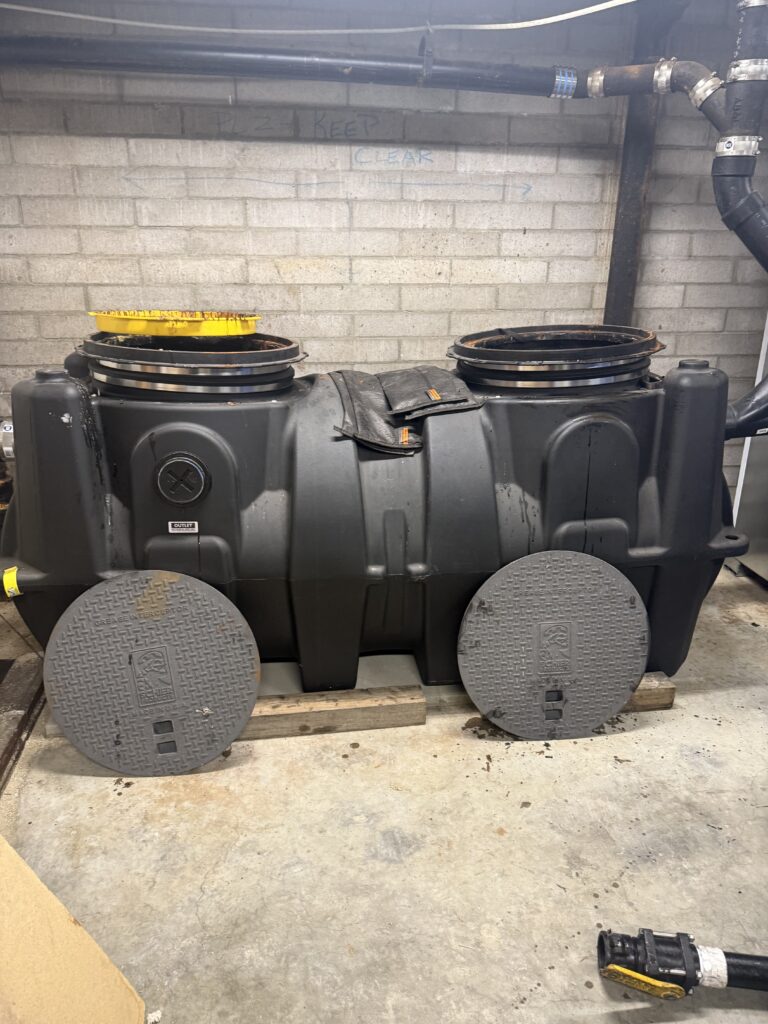

Step by Step Process of Grease Interceptor Cleaning
Best Commercial Grease Interceptor Cleaning Service for Los Angeles
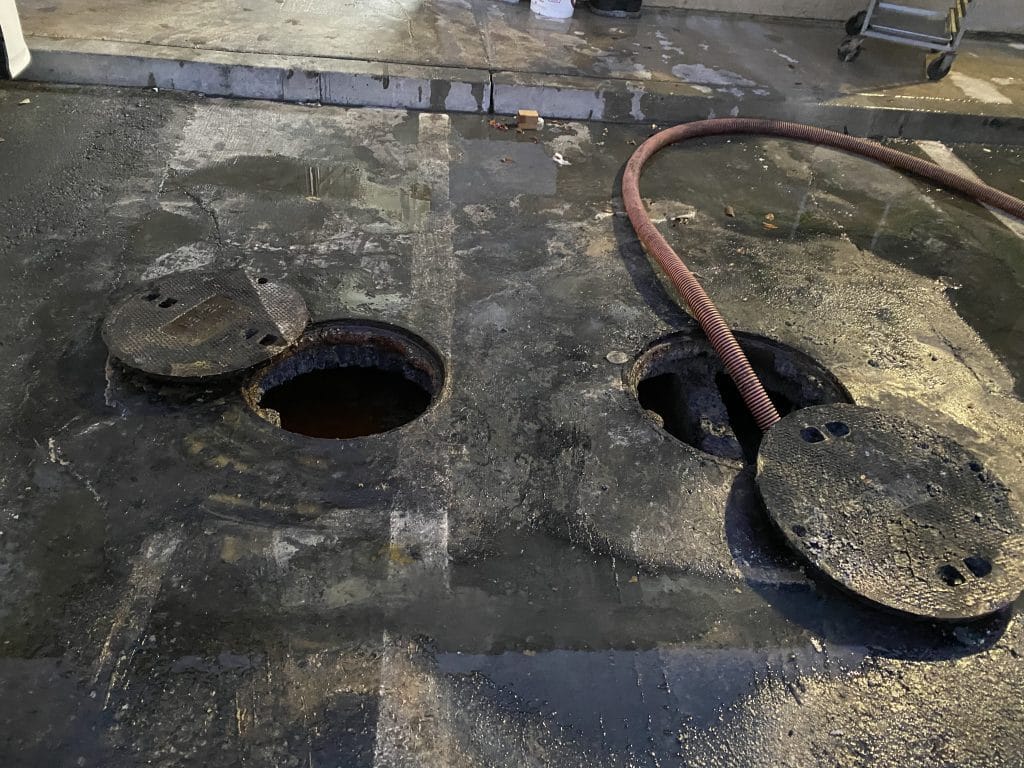
Grease interceptor cleaning service isn’t just about removing FOG and solid food sludge from the grease tank, it’s also about restoring optimal performance so that the entire system can handle wastewater flow efficiently. Cleaning a restaurant grease interceptor begins by opening the access lids, followed by measuring grease, sludge, and wastewater levels across each chamber to assess the system’s condition. Once the interceptor is opened, the condition of the tank becomes clear- layers of grease sitting on top, dense sludge settled at the bottom, and wastewater moving through whatever space is left. Once assessed, a vacuum truck is used for full grease interceptor pumping, removing wastewater, floating grease, and settled sludge from the entire system. After pumping, technicians clean internal surfaces including walls, baffles, and inlet and outlet pipes to remove hardened buildup. The system is then flushed, flow between compartments is checked, and all components are inspected before sealing the unit securely. After the service is completed, a manifest report is provided, documenting the date, time, and volume of waste removed. This documentation plays an important role in compliance with the Los Angeles County Fats, Oils and Grease (FOG) Program, which helps restaurant maintain proper records and avoid citations during grease inspections.
Looking for reliable 'grease interceptor cleaning near me' in lA?
Schedule #1 Grease Interceptor Pumping Service in LA County
Book grease interceptor cleaning service with Los Angeles Grease Co. Our experienced technicians handle pumping, waste removal, and complete system inspection for potential damages. Keep your operation steady and avoid fines.
Knowledgebase on Grease Interceptor Cleaning Service for Restaurant Owners
Grease Interceptor vs Grease Trap
Grease interceptors and grease traps are similar devices, designed to capture fats, oils, and grease before they enter the sewer system, and in many cases, they serve similar kitchen connections such as sinks, dishwashers, and cooking lines. The key difference is not what they handle, but how much they are built to handle. Grease traps are smaller units, typically installed close to kitchen fixtures, and are designed for lower-volume flow within a more limited space. Grease interceptors, on the other hand, are larger in-ground systems, typically built underground that manage wastewater from an entire facility, making them more suitable for high-output restaurants and commercial operations across Los Angeles.
Because of this difference in capacity, grease interceptors are built to handle continuous, high-volume discharge throughout the day. They receive flow from multiple kitchen areas at once, which places a greater load on the system over time. As a result, their upkeep is approached with a focus on maintaining balance within the tank, managing accumulated waste, and ensuring the system continues to perform efficiently.
Understanding 25% Rule of Grease Interceptor Cleaning
The 25% rule is a widely followed guideline used to determine when a grease interceptor cleaning service is required. It states that when the combined volume of fats, oils, grease, and settled solids reaches 25% of the interceptor’s total FOGS holding capacity, the system should be serviced immediately. Beyond this point, the interceptor becomes less effective at separating grease from wastewater, allowing more contaminants to pass through into the sewer system. In a busy commercial kitchen, reaching this threshold can happen faster than expected due to continuous usage and heavier grease output. Regular monitoring and scheduled grease interceptor pumping help prevent the system from exceeding this limit. Following the 25% rule not only maintains system performance but also supports compliance with local wastewater standards imposed by the LA County Public Works Department. Staying within this limit reduces the risk of drain overflow, sewer backups, improves efficiency, and helps restaurant owners avoid costly plumbing issues related to system failure.
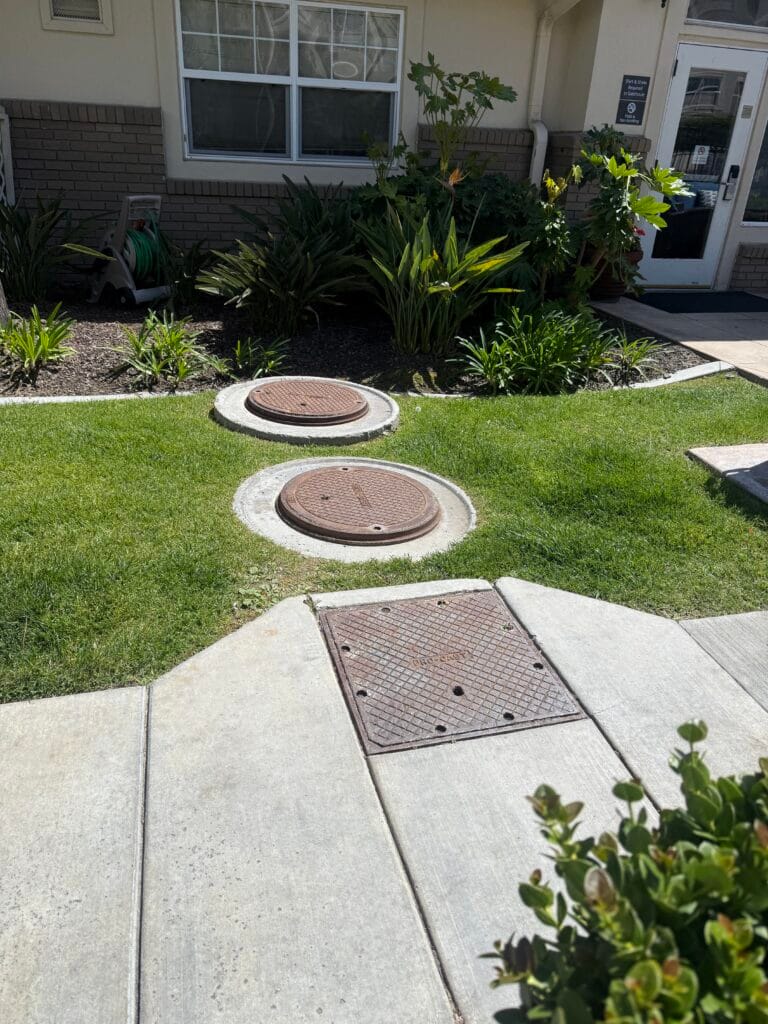
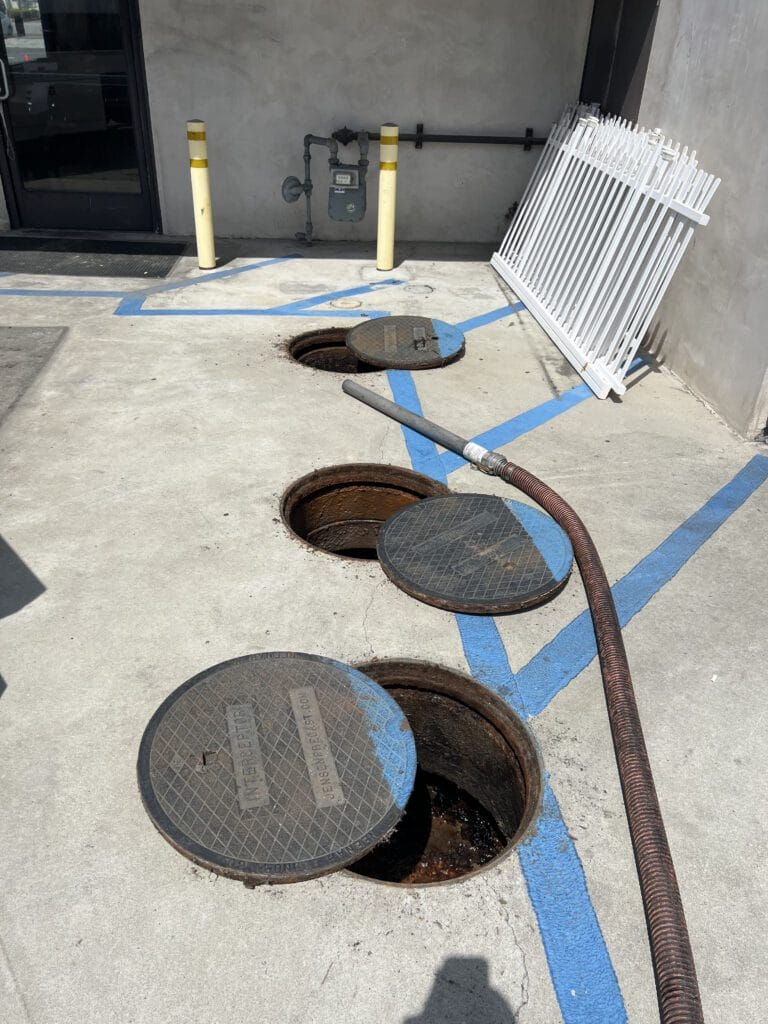
Grease interceptor cleaning service becomes easier to manage when restaurant owners clearly understand how grease interceptors differ from grease traps and which system fits their operation. Smaller kitchens, cafés, and low-volume setups often rely on grease traps, while high-output restaurants, hotels, and food production facilities require large grease interceptors to handle continuous wastewater flow. Following guidelines like the 25% rule and scheduling grease interceptor pumping at the right time helps maintain system performance, reduce risk, and keep commercial kitchens across Los Angeles County clean from grease infestation.
How We Work

System
Preparation
We open grease interceptor safely, measure grease levels, and prepare area for cleaning

Grease
Removal
We pump out grease, sludge, and wastewater completely using vacuum truck

Complete
Cleaning
Scrape walls, clean baffles, and clear inlet outlet pipes to remove hardened grease buildup

Final
Check
Than we test waterflow, secure lid, and document service details for compliance support
System
Preparation
We open grease interceptor safely, measure grease levels, and prepare area for cleaning
Grease
Removal
We pump out grease, sludge, and wastewater completely using vacuum truck
Complete
Cleaning
Scrape walls, clean baffles, and clear inlet outlet pipes to remove hardened grease buildup
Final
Check
Than we test waterflow, secure lid, and document service details for compliance support
BEST Commercial Grease Interceptor Cleaning Experts Serving Los Angeles Restaurants
Why Restaurants Choose Our Grease Interceptor Services
Restaurants across Los Angeles rely on our grease interceptor cleaning service for dependable performance, timely pumping, and compliance support. We handle high-capacity systems with precision, helping commercial kitchens avoid drain overflow, maintain efficiency, and operate without interruption.

Best Service
Complete grease interceptor cleaning service including pumping, inspections, and repairs ensures reliable performance and long-term system stability.

Local Expertise
Deep understanding of Los Angeles regulations ensures grease interceptor cleaning service meets operational and compliance requirements.

Regulations Supported
Our detailed manifest reports and proper handling help meet FOG Program requirements and avoid fines during municipality inspections.
Reliable Schedule
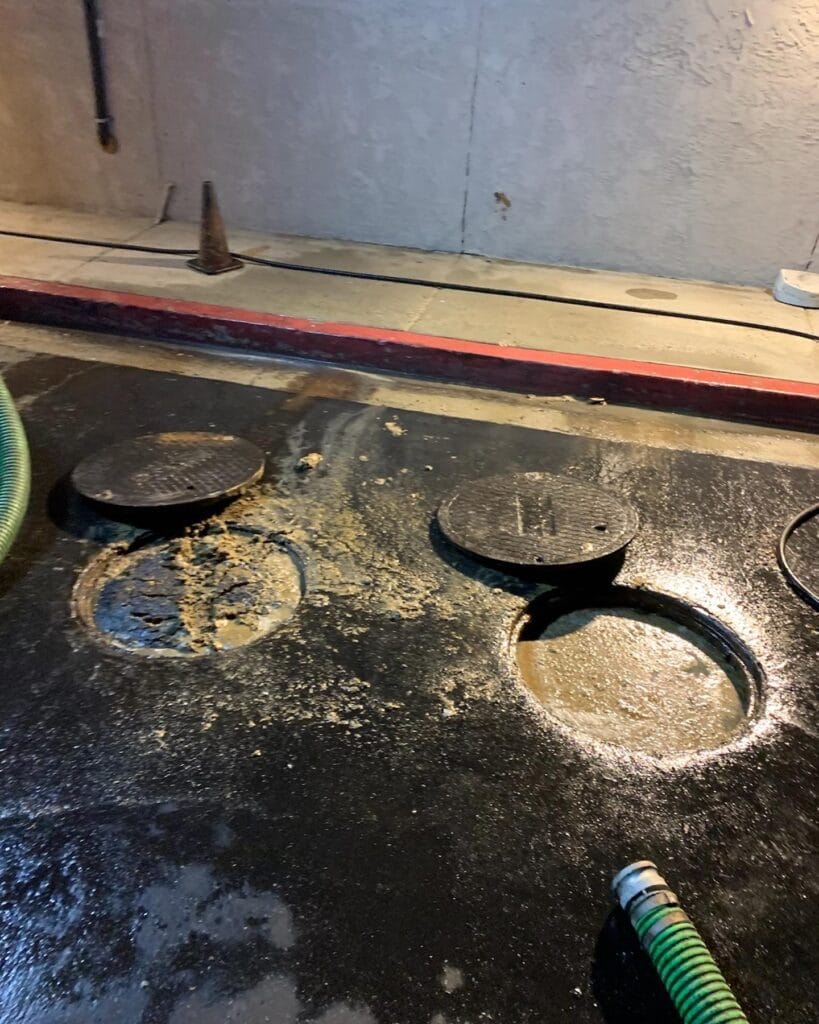
Consistent grease interceptor pumping schedules prevent buildup, overflow, and downtime, keeping systems stable during daily operations.

Serving Los Angeles County and Nearby Cities
Local Grease Interceptor Cleaning Near LA
We provide grease interceptor cleaning service across Los Angeles County, including Los Angeles, Long Beach, Santa Monica, Beverly Hills, Glendale, Pasadena, Burbank, Inglewood, Torrance, Culver City, West Hollywood, and North Hollywood. These areas are home to high concentrations of restaurants, hotels, and commercial kitchens that rely on consistent grease interceptor pumping and maintenance. Our local team understands the demands of each city and delivers reliable interceptor services to keep restaurant operations running efficiently.
Frequently Asked Questions
Questions About Grease Interceptor Cleaning
Answers about grease interceptor pumping , pumping, cost, and services in Los Angeles .
1. How often should grease interceptor cleaning service be scheduled?
The frequency of grease interceptor cleaning service depends on the size of the system and the volume of kitchen activity. In most Los Angeles commercial kitchens, cleaning is typically scheduled every one to three months. High-output restaurants, hotels, and food production facilities may require more frequent grease interceptor pumping due to constant wastewater flow. Monitoring grease and sludge levels is important to determine the right schedule. Regular service helps maintain system capacity, prevent buildup, and ensure the interceptor continues to perform efficiently under daily demand.
2. How much does grease interceptor pumping cost in Los Angeles?
The cost of grease interceptor pumping in Los Angeles varies depending on the size of the interceptor, accessibility, and the level of buildup inside the system. On average, pricing can range from $300 to $1,500 or more per service for large commercial units. Facilities with heavier usage or neglected systems may incur higher costs due to additional cleaning requirements. Scheduling routine grease interceptor cleaning service can help manage costs over time by reducing the need for emergency pumping or extensive maintenance.
3. How long does grease interceptor cleaning take?
The time required for grease interceptor cleaning depends on the size of the system and the amount of accumulated waste. For most commercial properties, a standard grease interceptor cleaning service can take between one to three hours. Larger systems with heavy buildup may require additional time for complete grease interceptor pumping and thorough internal cleaning. Proper cleaning should not be rushed, as removing all grease, sludge, and residue is essential to restore system capacity and ensure reliable operation.
4. What causes grease interceptor overflow?
Grease interceptor overflow is usually caused by excessive buildup of fats, oils, grease, and solid waste inside the tank. As capacity is reduced, the system can no longer handle incoming wastewater efficiently, especially during peak kitchen hours. Lack of regular grease interceptor cleaning service or delayed grease interceptor pumping often leads to this condition. Blocked inlet or outlet lines can also contribute to overflow. Addressing these issues early helps prevent operational disruption and potential damage to surrounding drainage systems.
5. What is the difference between grease interceptor pumping and cleaning?
Grease interceptor pumping refers to the removal of wastewater, floating grease, and settled sludge from inside the tank using vacuum equipment. Grease interceptor cleaning service, however, goes beyond pumping by also removing hardened buildup from internal surfaces, baffles, and connecting lines. While pumping clears the bulk of the waste, cleaning restores the system’s overall efficiency. Both are essential for maintaining proper performance, but a complete cleaning service ensures the interceptor functions as intended over time.
6. How can I find grease interceptor cleaning near me?
Finding reliable grease interceptor cleaning service in Los Angeles County starts with choosing a company experienced in handling large commercial systems. Look for providers that offer full grease management services, including pumping, inspection, and proper waste disposal. Local experience in Los Angeles is important, as service providers should understand regional regulations and high-demand kitchen environments. Checking reviews, service capabilities, and response time can help ensure you select a dependable company for ongoing maintenance and emergency needs.
Customer Reviews
Absolutely fantastic company to work with! Miko was incredibly customer friendly and happy to help, and provided assistance in any way he could.

Gabriella Storkson
Los Angeles
After contacting five companies, Mico answered our early morning distress call and had Manny on site in 90 minutes to clean out our overflowing grease trap.
Chuck C
Santa Monica
Best grease company in the City! Fast, efficient and gets here if you need them asap! Definitely recommend for restaurant owners! Happy to have found them!
Chef IT
Culver City
The Los Angeles Grease Company is AWESOME! Professional and Reliable Service. We have been happy with them and highly recommend them.
Gee
Lancaster
Best grease company ever. Miko is very friendly and reliable. They provide really professional service and reasonable price. Other than that, the service is very fast.
Monae Temthitirat
Pasadena